FIFA World Cup 2026 Dynamic Pricing: Why Ticket Costs Change Over Time
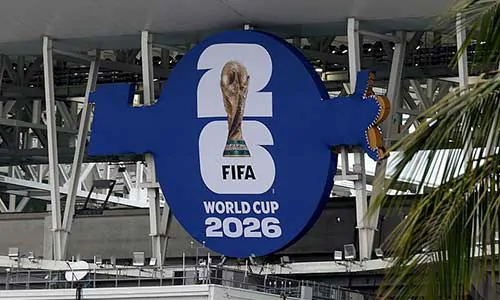
The 2026 FIFA World Cup is officially underway, bringing unprecedented excitement as 48 teams compete across 104 matches in the United States, Canada, and Mexico . However, alongside the thrilling action on the pitch, a major talking point has emerged in the stands: the historic cost of admission . If you are trying to secure a seat at this monumental event, you have likely encountered wildly fluctuating prices on the ticketing portals . Understanding the mechanics of FIFA World Cup 2026 Dynamic Pricing: Why Ticket Costs Change Over Time is essential for navigating this volatile market and securing your spot without overpaying.
Table of Contents
- 1. What is Dynamic Pricing in Sports Ticketing?
- 2. The Shift: Why FIFA Adopted Real-Time Pricing Adjustments
- 3. Understanding FIFA World Cup 2026 Dynamic Pricing: Why Ticket Costs Change Over Time
- 4. Comparative Ticket Price Overview
- 5. The Financial Leap: 2026 vs. Past World Cups
- 6. The Legal and Ethical Debate Behind FIFA World Cup 2026 Dynamic Pricing: Why Ticket Costs Change Over Time
- 7. How Fans Can Navigate FIFA World Cup 2026 Dynamic Pricing: Why Ticket Costs Change Over Time
- 8. The Long-Term Outlook for Global Sporting Events
- 9. Conclusion & Final Thoughts
- 10. Frequently Asked Questions (FAQ)
1. What is Dynamic Pricing in Sports Ticketing?
Dynamic pricing is a modern economic model where the cost of a product or service fluctuates in real-time based on current demand, supply, and other external market factors . This strategy is highly visible in industries like commercial aviation, hotel hospitality, and ridesharing, where costs spike during peak holidays or bad weather. Recently, the live sports and entertainment sectors have enthusiastically adopted this algorithm-driven model to maximize yields.
In traditional ticketing systems, event organizers set a flat, fixed rate for each seating category long before the tickets go on sale. Consequently, a ticket in the upper bowl costs the exact same amount whether it is purchased on day one or the day before the match. Under a dynamic structure, specialized software continuously monitors user behavior, search volume, and checkout velocity to adjust prices automatically.
Therefore, if a particular match experiences a massive surge in interest, the ticketing platform’s algorithm instantly raises the official face-value price. Conversely, if interest drops, prices may stabilize or decrease, although sports governing bodies rarely allow prices to fall below a designated baseline floor. This computerized approach ensures that the event organizer captures the maximum revenue possible directly from the primary market.
2. The Shift: Why FIFA Adopted Real-Time Pricing Adjustments
For the 2026 tournament, FIFA introduced a monumental shift by taking total control of ticketing operations away from the local host country federations . In previous editions, local organizing committees played a significant role in managing sales, which often restricted pricing flexibility due to local consumer protection regulations. However, because the regulatory landscape in the United States permits aggressive dynamic pricing, FIFA took the opportunity to implement this model globally .
Furthermore, this strategic shift was heavily driven by a desire to recapture profits that traditionally went to secondary ticket marketplaces. For decades, unauthorized brokers and scalpers purchased tickets at low face value and resold them to desperate fans at markups of up to 1000% . By adopting a dynamic pricing mechanism, the governing body aims to capture that premium margin directly, funneling the revenue into its own organization rather than leaving it in the hands of third-party resellers .
In addition to maximizing profits, proponents of the model argue that it helps to manage stadium crowds and optimize attendance. By pricing matches according to true real-time demand, tickets for less popular fixtures can remain accessible, while high-demand blockbusters are priced at their true market value . Nevertheless, the transition has drawn significant criticism from traditional football supporters who argue that the system places an unfair financial burden on the average fan .
3. Understanding FIFA World Cup 2026 Dynamic Pricing: Why Ticket Costs Change Over Time
To navigate the current ticket market effectively, one must understand how the core pricing algorithm functions. The mechanics behind FIFA World Cup 2026 Dynamic Pricing: Why Ticket Costs Change Over Time rely on a complex network of real-time variables that constantly feed data into the ticketing platform’s central database.
First and foremost, team popularity is the primary catalyst for rapid price increases . Matches involving globally recognized football powerhouses, such as Brazil, Argentina, France, or England, generate massive, instantaneous search volume on the portal. When tens of thousands of fans queue simultaneously for the same fixture, the algorithm recognizes the competitive pressure and raises prices across all available seat categories .
Secondly, the physical location of the match significantly influences the dynamic pricing model . Matches played in major United States metropolitan areas, like New York/New Jersey, Los Angeles, and Dallas, face intense local demand driven by high consumer purchasing power . Consequently, tickets in these major hubs are priced higher compared to matches hosted in certain cities in Mexico and Canada, where local market capacities differ .
Meanwhile, the stage of the tournament plays a vital role. While group-stage matches can start at a relatively modest baseline, knockout-stage fixtures see exponential demand curves . As teams advance to the Round of 32, the Round of 16, and the Quarterfinals, the stakes increase dramatically . This heightened dramatic value allows the automated system to aggressively escalate ticket costs with every passing round, peaking at unprecedented levels for the final match .
4. Comparative Ticket Price Overview
To illustrate the dramatic variance in pricing throughout the tournament, the table below outlines the estimated ranges for face-value tickets, dynamically adjusted direct sales, and secondary marketplace estimates across different stages of the 2026 tournament .
| Tournament Match Stage | Minimum Face Value | Maximum Direct Cost | Secondary Market Range |
|---|---|---|---|
| Standard Group Stage | $60 | $620 | $150 – $950 |
| Host Nation Matches (US/CAN/MEX) | $75 | $2,735 | $400 – $5,200 |
| Round of 32 / Round of 16 | $105 | $1,100 | $300 – $3,500 |
| Quarterfinals / Semifinals | $200 | $4,500 | $800 – $8,500 |
| The Grand Final Match | $380 (PMA Entry: $60) | $10,990 | $2,500 – $11,000+ |
5. The Financial Leap: 2026 vs. Past World Cups
Comparing these prices with previous editions of the FIFA World Cup highlights just how dramatic this financial jump is . In Russia in 2018 and Brazil in 2014, tickets were sold at fixed face-value rates throughout all public sales phases. This stability allowed fans to plan travel, lodging, and tickets months in advance without fear of unexpected price hikes .
Even during the 2022 World Cup in Qatar, which faced heavy scrutiny for its expensive ticketing tiers, the most premium ticket for the final match cost approximately $1,607 . In contrast, the 2026 final ticket on the direct sale platform has spiked past $10,000 under the dynamic pricing model . This represents an inflation-adjusted increase of nearly seven times the historical average across the previous eight tournaments .
In response to public backlash, FIFA introduced a “Supporter Entry Tier” featuring fixed $60 tickets for national team members . However, critics point out that these affordable options make up only a tiny fraction of the total stadium seating capacity . At MetLife Stadium, which is set to host the highly anticipated final, only a minuscule percentage of seats are allocated to this lower pricing tier, leaving the vast majority of seats subject to the soaring dynamic market rates .
6. The Legal and Ethical Debate Behind FIFA World Cup 2026 Dynamic Pricing: Why Ticket Costs Change Over Time
The introduction of algorithmic price adjustments for a major global tournament has sparked an intense legal and ethical debate. Critics argue that the Legal and Ethical Debate Behind FIFA World Cup 2026 Dynamic Pricing: Why Ticket Costs Change Over Time highlights a troubling shift from a unifying sporting event toward extreme commercialism .
In May and June of 2026, the attorneys general of multiple United States states officially launched joint investigations into the ticketing systems . These investigations focus on allegations of misleading consumer communication, the creation of artificial ticket scarcity, and the manipulation of dynamic pricing systems to inflate ticket prices . Lawmakers argue that keeping fans in the dark about how many tickets are available at each price point triggers panic buying, forcing consumers to pay inflated prices out of fear of missing out entirely .
From an ethical perspective, many believe that the dynamic pricing system completely excludes working-class supporters . The World Cup has historically been a global festival celebrating cultural exchange and football passion. However, when individual group-stage tickets quickly rise toward $500, the stands risk becoming corporate networking zones rather than vibrant, loud fan sections . Ultimately, this change in stadium demographics could dilute the passionate stadium atmospheres that make the tournament famous .
7. How Fans Can Navigate FIFA World Cup 2026 Dynamic Pricing: Why Ticket Costs Change Over Time
Despite the challenges presented by real-time price fluctuations, strategic and well-informed fans can still find reasonable entry points. Understanding How Fans Can Navigate FIFA World Cup 2026 Dynamic Pricing: Why Ticket Costs Change Over Time is vital for anyone who hopes to attend matches without exhausting their budget. By adopting a tactical purchasing plan, you can significantly reduce your ticket expenses.
Here are several highly effective strategies to help you find the best ticket values:
- Target Neutral Matches in Secondary Cities: Matches that do not involve high-profile national teams or host nations are far less susceptible to aggressive dynamic pricing . Choosing group-stage matches in cities with lower average costs can yield much more affordable options.
- Monitor the Official FIFA Resale Platform: While third-party secondary marketplaces often charge massive markups, the official FIFA resale portal operates under stricter price limits . Make it a habit to check the official portal frequently, as availability changes by the minute .
- Patience Can Be Rewarded: Dynamic algorithms respond to immediate, real-time demand peaks . Consequently, if a match does not completely sell out, the system may drop prices closer to game day to fill remaining seats. If you are comfortable waiting, buying tickets shortly before kickoff can sometimes save you hundreds of dollars .
- Leverage Participating Member Association (PMA) Allocations: If you are a registered member of an official national team fan club, use the dedicated PMA portals . These allocations often include capped pricing structures, such as the Supporter Value or Supporter Entry tiers, which completely bypass the general dynamic pricing algorithm .
- Examine Stadium Category Layouts Carefully: For 2026, seat categories are defined by height and angle rather than simple proximity to the pitch . Carefully review the seating maps, as a seat positioned slightly higher in a premium category may cost significantly less than a lower seat in the exact same section.
8. The Long-Term Outlook for Global Sporting Events
The execution of dynamic ticketing models during this tournament marks a pivotal moment in the history of sports business. If FIFA declares this approach a financial success, it will likely establish a permanent blueprint for future global tournaments, including the 2030 and 2034 World Cups. Other massive sports organizations, such as the International Olympic Committee (IOC), are closely studying these financial outcomes to see if they should adopt similar mechanisms.
Nonetheless, the long-term reputation of international football is at stake. While dynamic pricing successfully maximizes immediate ticketing revenues for organizers, it risks alienating the core fanbase that maintains the sport’s global popularity . Finding a healthy balance between commercial growth and consumer accessibility remains one of the greatest challenges for modern sports administrators.
9. Conclusion & Final Thoughts
In summary, the transition to real-time ticket valuation has fundamentally altered how supporters access the world’s most popular sporting event. Understanding the mechanics of FIFA World Cup 2026 Dynamic Pricing: Why Ticket Costs Change Over Time provides crucial insight into the economic realities of modern sports . While this model successfully maximizes income for organizers, it demands a highly strategic, patient, and informed approach from supporters who wish to experience the action live .
If you are planning your World Cup journey, stay informed, compare different venues, and prioritize official purchasing channels . What are your thoughts on this ticketing system? Have you managed to secure tickets under these dynamic conditions? Share your experiences in the comments below, or join the discussion with fellow fans online!
10. Frequently Asked Questions (FAQ)
Q1: What is the main cause of the ticket price changes?
Ticket prices change based on real-time factors including search volume, purchasing speed, match popularity, stadium venue, and remaining seat availability, adjusted automatically by a dynamic pricing algorithm .
Q2: Are there any cheap tickets available for the 2026 World Cup?
Yes. FIFA introduced a “Supporter Entry Tier” with fixed $60 tickets allocated through qualified national team fan clubs, although availability is extremely limited relative to total stadium capacity .
Q3: How does the official resale platform work?
The official FIFA resale platform allows fans to securely buy and sell tickets close to face value, bypassing the unregulated price hikes common on third-party marketplace websites .
Q4: Why are matches in the US more expensive than in Mexico or Canada?
Ticketing algorithms take local economic purchasing power and regional demand into account, which are generally higher in major US metropolitan cities compared to Mexico and Canada .
Q5: Are state attorneys general really investigating the ticket sales?
Yes. Multiple US state attorneys general have initiated investigations into allegations of misleading communication, artificial scarcity, and manipulation within FIFA’s dynamic pricing model .
Q6: What happens if my team is eliminated; can I get a refund?
If you applied through the official PMA fan allocations and your team does not advance, administrative fees are waived when unsuccessful knockout stage ticket application refunds are processed .