FIFA World Cup 2026 Venues: Iconic Stadiums Hosting the Tournament
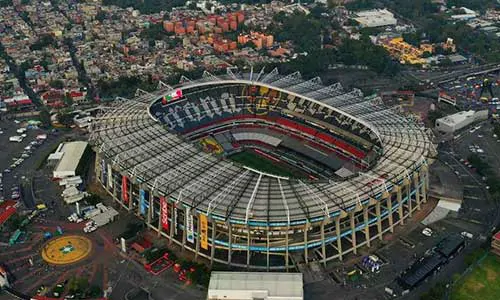
Table of Contents
- 1. Introduction to the World Cup Arenas
- 2. Overview of the 2026 Tournament Structure
- 3. Canadian Venues: Gateway to the North
- 4. Mexican Venues: The Historic Temples of Football
- 5. United States Venues: Megastructures of the Modern Era
- 6. The Technical Evolution & Stadium Upgrades
- 7. Full Stadium Comparison Guide
- 8. Frequently Asked Questions (FAQ)
1. Introduction to the World Cup Arenas
The global football community is currently preparing for the largest tournament in sporting history. Spanning three countries—Canada, Mexico, and the United States—the tournament features an unprecedented 48-team format. As millions of fans from around the world plan their historic journeys, exploring the FIFA World Cup 2026 Venues: Iconic Stadiums Hosting the Tournament becomes crucial to understanding the massive scale and cultural depth of this tournament.
Furthermore, these selection of venues represents a masterclass in modern engineering, rich sporting heritage, and sustainability. From historic arenas that have hosted legendary finals to newly built architectural marvels costing billions of dollars, each venue brings its own unique character to the tournament. In this comprehensive guide, we dive deep into each stadium, exploring their history, upgrades, and vital role in the upcoming matches.
2. Overview of the 2026 Tournament Structure
With 48 national teams competing, the tournament schedule has expanded to 104 matches, representing a major leap from previous iterations. To ensure smooth logistics, FIFA has organized the host cities into three main geographical regions: West, Central, and East. Consequently, this division minimizes player fatigue and travel time, creating a more sustainable tournament environment for fans and squads alike.
When studying the complete list of FIFA World Cup 2026 Venues: Iconic Stadiums Hosting the Tournament, the distribution of matches stands out. The United States will host the majority of the matches, while Mexico and Canada provide key regional hubs. Each city offers state-of-the-art transit networks, making it easier than ever for international spectators to navigate their way to the stadiums.
3. Canadian Venues: Gateway to the North
Canada welcomes the men’s tournament to its shores for the very first time. While the nation has previously organized successful youth and women’s tournaments, hosting matches on this stage is a historic achievement. Let us explore the chosen Canadian destinations below.
Toronto Stadium (BMO Field)
Located in the heart of Exhibition Place in Toronto, this stadium has long served as the home of Canadian soccer. Originally opened as a dedicated soccer-specific stadium, it is undergoing significant expansion for the tournament. Specifically, temporary seating is being added to increase the capacity to over 45,000, ensuring it meets strict FIFA requirements.
In addition to the physical upgrades, Toronto Stadium offers a remarkably intimate atmosphere for fans. Its lakeside location and close proximity to downtown Toronto make it a highly attractive destination. Spectators can easily access the venue via public transit, ensuring a smooth and environmentally friendly matchday experience.
BC Place (Vancouver)
Situated in the coastal city of Vancouver, BC Place is an iconic multi-purpose stadium known for its cable-supported retractable roof. This world-class venue has a capacity of over 54,000 and is famous for hosting the 2015 FIFA Women’s World Cup Final. Its gorgeous backdrop of mountains and waterfront provides a stunning setting for fans.
Furthermore, the stadium has undergone continuous technological modernizations, including a giant center-hung video board. This screen enhances the viewing experience for every fan in the arena. As part of the FIFA World Cup 2026 Venues: Iconic Stadiums Hosting the Tournament, BC Place will host several crucial matches, bringing the passion of the Pacific Northwest soccer community to the forefront.
4. Mexican Venues: The Historic Temples of Football
Mexico holds a legendary place in global football history as the first country to host the tournament three times. The selected arenas reflect a beautiful mix of historic legacy and striking modern design.
A Deep Dive into Mexico’s FIFA World Cup 2026 Venues: Iconic Stadiums Hosting the Tournament
Mexico City Stadium (Estadio Azteca)
No stadium in the world holds quite as much mystique as the Estadio Azteca. Located in the bustling metropolis of Mexico City, this historic venue hosted both the 1970 and 1986 World Cup finals. It is the very ground where Pelé and Diego Maradona cemented their legendary status, making it the crown jewel of the tournament.
With an incredible capacity of over 87,000, Estadio Azteca will host the official opening match. While the historic soul of the stadium remains untouched, massive renovations are underway to modernize its hospitality suites, seating areas, and media facilities. It stands proudly as a highlight among all FIFA World Cup 2026 Venues: Iconic Stadiums Hosting the Tournament.
Guadalajara Stadium (Estadio Akron)
Located in Zapopan, near Guadalajara, this modern stadium is famous for its unique and innovative architecture. The exterior resembles a grass-covered volcano, while a white, cloud-like fabric roof floats elegantly above the stands. Home to the legendary CD Chivas, it offers a capacity of over 48,000.
On the other hand, the stadium’s design is highly sustainable, integrating natural drainage and ventilation systems. The viewing sightlines are exceptionally clean, ensuring that fans have an unobstructed view of the action. Consequently, it represents the modern face of Mexican soccer infrastructure.
Monterrey Stadium (Estadio BBVA)
Often referred to as “El Gigante de Acero” (The Steel Giant), this state-of-the-art arena opened its doors in 2015. It has a capacity of over 53,000 and is widely considered one of the most beautiful sports venues in the world. This is primarily due to the breathtaking view of the Cerro de la Silla mountain, which towers dramatically just outside the open-end of the stadium.
In addition to its beauty, the stadium features premium hospitality suites, eco-friendly cooling systems, and advanced pitch technology. Its inclusion highlights Mexico’s commitment to offering world-class facilities for international teams and visiting fans.
5. United States Venues: Megastructures of the Modern Era
The United States provides eleven massive venues for the tournament. These arenas are primarily home to National Football League (NFL) teams, meaning they boast immense seating capacities, state-of-the-art technology, and unmatched luxury amenities.
Highlighting the US-Based FIFA World Cup 2026 Venues: Iconic Stadiums Hosting the Tournament
New York New Jersey Stadium (MetLife Stadium)
Located in East Rutherford, New Jersey, just a short distance from Manhattan, this open-air venue is set to host the tournament’s Grand Final on July 19, 2026. With a massive capacity of 82,500, it is one of the premier stadiums in the nation. It has previously hosted major international events, including the Copa América Centenario Final in 2016.
To prepare for the final, the venue is undergoing subtle modifications to accommodate a wider grass pitch. The transportation infrastructure, including the Meadowlands Rail Line, is being heavily optimized to handle the influx of global visitors. This makes it an absolute centerpiece among the FIFA World Cup 2026 Venues: Iconic Stadiums Hosting the Tournament.
Dallas Stadium (AT&T Stadium)
Situated in Arlington, Texas, this legendary venue is an engineering masterpiece. It is celebrated for its retractable roof, massive central video board stretching from one 20-yard line to the other, and its luxurious amenities. It can easily expand its capacity to over 100,000 for football matches, ensuring an electric atmosphere.
Dallas Stadium has been selected to host a series of high-profile knockout matches, including a semi-final. Its central geographical location in North America makes it a crucial logistical hub. For more schedule details, fans can consult the official FIFA World Cup website.
Los Angeles Stadium (SoFi Stadium)
Located in Inglewood, California, this multi-billion dollar structure is the most expensive sports venue ever built. It features a stunning translucent canopy roof, a double-sided 4K Oculus video board, and an open-air design that takes advantage of the beautiful Southern California climate. It has a capacity of 70,000, which can expand for major events.
Despite its modern design, the stadium required careful pitch modifications to fit a standard international soccer field. These engineering efforts ensure that the playing surface meets the strict requirements of FIFA. It remains one of the most anticipated stops for fans traveling across the West coast.
Atlanta Stadium (Mercedes-Benz Stadium)
Famous for its striking “pinwheel” retractable roof and giant halo video board, this venue in Atlanta can host over 71,000 fans. It is deeply committed to sustainability, being the first professional sports stadium in the United States to achieve LEED Platinum certification. This makes it an eco-friendly leader among the chosen host arenas.
Moreover, the stadium’s layout offers exceptional visibility and advanced crowd management systems. Because of its massive capacity and central position in the Southeast, Atlanta will host a semifinal match, drawing hundreds of thousands of spectators to the city.
Boston Stadium (Gillette Stadium)
Located in Foxborough, Massachusetts, this venue has a capacity of over 65,000. It recently underwent massive renovations, which included the construction of a towering new lighthouse in the north end zone and a giant outdoor curved video screen. These upgrades have modernized the fan experience significantly.
In addition to its aesthetic appeal, Boston Stadium has a rich history of hosting international soccer matches, including games from the 1994 World Cup. Its passionate sports culture guarantees a memorable environment for all visiting teams.
Houston Stadium (NRG Stadium)
Houston Stadium is a climate-controlled indoor/outdoor stadium with a retractable roof, capable of hosting 72,000 fans. Over the years, it has established a long history of hosting major soccer tournaments, including the Copa América and numerous international friendlies. Its climate control system is vital for keeping fans and players comfortable during the summer months.
Consequently, the city of Houston offers a diverse and multicultural environment, making it a perfect host for international visitors. The stadium’s close connection to major transit lines ensures seamless transport on matchdays.
Kansas City Stadium (Arrowhead Stadium)
Renowned globally for its unmatched volume, this venue holds the Guinness World Record for the loudest stadium crowd roar ever recorded. With a capacity of over 76,000, it brings an electric, passionate energy to the tournament. It is deeply rooted in midwestern sports culture.
To prepare for its matches, Kansas City is upgrading its seating configurations and hospitality spaces. The legendary tailgating culture surrounding the stadium is expected to merge beautifully with the global passion of football fans, creating a truly unique matchday atmosphere.
Miami Stadium (Hard Rock Stadium)
A vibrant, multi-purpose venue in Miami Gardens, this stadium has a capacity of 65,000. It features an open-air canopy roof designed to shade spectators while keeping the pitch open to natural sunlight. It is highly experienced in hosting major international events, including the Super Bowl and Formula 1 races.
Furthermore, Miami’s cultural and geographical proximity to Latin America and Europe makes it an ideal hub for visiting fans. The stadium’s luxury seating and modern concessions ensure that every guest enjoys a premium hospitality experience.
Philadelphia Stadium (Lincoln Financial Field)
Located in the historic sports complex of Philadelphia, this open-air stadium hosts over 67,000 fans. It features energy-efficient wind turbines and solar panels, reflecting its eco-friendly credentials. The stadium is famous for its passionate home crowd and intimate, steep seating bowl.
Philadelphia’s rich history as the birthplace of American independence provides a fascinating cultural backdrop for international travelers. The stadium’s central location makes it highly accessible from nearby major metropolitan areas along the East Coast.
San Francisco Bay Area Stadium (Levi’s Stadium)
Situated in Santa Clara, California, this highly technological venue is located in the heart of Silicon Valley. It has a capacity of 68,500 and features a beautiful green roof, solar terraces, and state-of-the-art stadium connectivity. This allows fans to share their experiences in real-time without signal issues.
The stadium is widely praised for its focus on sustainability and tech-forward fan services. By combining clean energy practices with high-speed stadium applications, it sets a high standard for modern sporting venues worldwide.
Seattle Stadium (Lumen Field)
Nestled next to downtown Seattle, this stadium has a capacity of 69,000. Its unique architectural design features two massive arching roofs that redirect crowd noise back onto the pitch, creating an intimidating and exciting atmosphere. It is home to some of the most passionate soccer fans in the United States.
Because the venue normally utilizes artificial turf, extensive engineering is taking place to install a temporary natural grass system. This conversion is a standard requirement for all FIFA World Cup 2026 Venues: Iconic Stadiums Hosting the Tournament that utilize artificial turf. Seattle’s vibrant downtown and public transit links make it highly accessible for incoming fans.
6. The Technical Evolution & Stadium Upgrades
Preparing these structures for a global audience requires meticulous planning. FIFA maintains incredibly high standards for its pitches, player facilities, and broadcast areas. Therefore, several stadiums are undergoing significant transformations to meet these demands.
One of the most notable changes is the widespread transition to high-quality natural grass. Venues that traditionally use artificial turf are installing sophisticated temporary grass systems with complex irrigation and drainage. To learn more about how historic editions handled these transitions, you can read Wikipedia’s 2026 FIFA World Cup page.
In addition, to comply with FIFA’s commercial clean stadium regulations, many venues are temporarily changing their names. Commercial sponsor titles are being replaced with neutral, geographic names during the tournament. This ensures that the branding of official tournament sponsors is respected across all promotional materials.
7. Full Stadium Comparison Guide
To help you compare the capacities and locations of these remarkable arenas, we have compiled a detailed reference table of the FIFA World Cup 2026 Venues: Iconic Stadiums Hosting the Tournament.
| Host City | FIFA Stadium Name | Common / Commercial Name | Country | Capacity |
|---|---|---|---|---|
| New York / New Jersey | New York New Jersey Stadium | MetLife Stadium | United States | 82,500 |
| Dallas | Dallas Stadium | AT&T Stadium | United States | 92,967 (expands to 100,000+) |
| Mexico City | Mexico City Stadium | Estadio Azteca | Mexico | 87,523 |
| Los Angeles | Los Angeles Stadium | SoFi Stadium | United States | 70,240 |
| Atlanta | Atlanta Stadium | Mercedes-Benz Stadium | United States | 71,000 |
| Kansas City | Kansas City Stadium | Arrowhead Stadium | United States | 76,416 |
| Vancouver | BC Place | BC Place | Canada | 54,500 |
| Toronto | Toronto Stadium | BMO Field | Canada | 45,000 (after expansion) |
8. Frequently Asked Questions (FAQ)
As fans prepare for this spectacular event, many questions arise regarding the stadiums, capacities, and transit options. Below are some of the most frequently asked questions about the FIFA World Cup 2026 Venues: Iconic Stadiums Hosting the Tournament.
Q1: Which stadium will host the FIFA World Cup 2026 Final?
The highly anticipated final match will take place at the New York New Jersey Stadium (commonly known as MetLife Stadium) in East Rutherford, New Jersey, on July 19, 2026.
Q2: How many total stadiums are hosting the tournament across North America?
There are exactly 16 host stadiums: 11 located in the United States, 3 in Mexico, and 2 in Canada.
Q3: Why are the commercial names of the stadiums being changed for the World Cup?
FIFA guidelines require neutral, non-commercial names for all host venues to avoid conflicts with official tournament partners and sponsors.
Q4: Will all the stadiums feature natural grass pitches?
Yes, all selected venues must install state-of-the-art natural grass playing surfaces to comply with strict FIFA playing standards.
Q5: What is the largest host stadium by capacity in the tournament?
Dallas Stadium (AT&T Stadium) has the largest expandable capacity, capable of accommodating over 100,000 spectators for major sporting events.
Q6: Which stadium will host the tournament’s official opening match?
The historic Mexico City Stadium (Estadio Azteca) will host the official opening match on June 11, 2026, marking its third time hosting a World Cup opener.
Conclusion
The journey to the tournament promises to be an unforgettable adventure, written across some of the most spectacular arenas on Earth. When we look closely at the complete list of FIFA World Cup 2026 Venues: Iconic Stadiums Hosting the Tournament, we see more than just steel and concrete. We see cultural landmarks, historical temples, and futuristic hubs that will unite the global football community under one roof.
Whether you are planning to attend a match in the historic altitude of Mexico City, the coastal beauty of Vancouver, or the grand stage of East Rutherford, this tournament is set to make history. Stay tuned for further updates on ticket sales, team qualifications, and travel guides, and make sure to share your thoughts in the comments below about which stadium you are most excited to visit!